This post may contain affiliate links. If you buy through them we may earn a small commission at no extra cost to you.
What is Ashta (Kashta)?
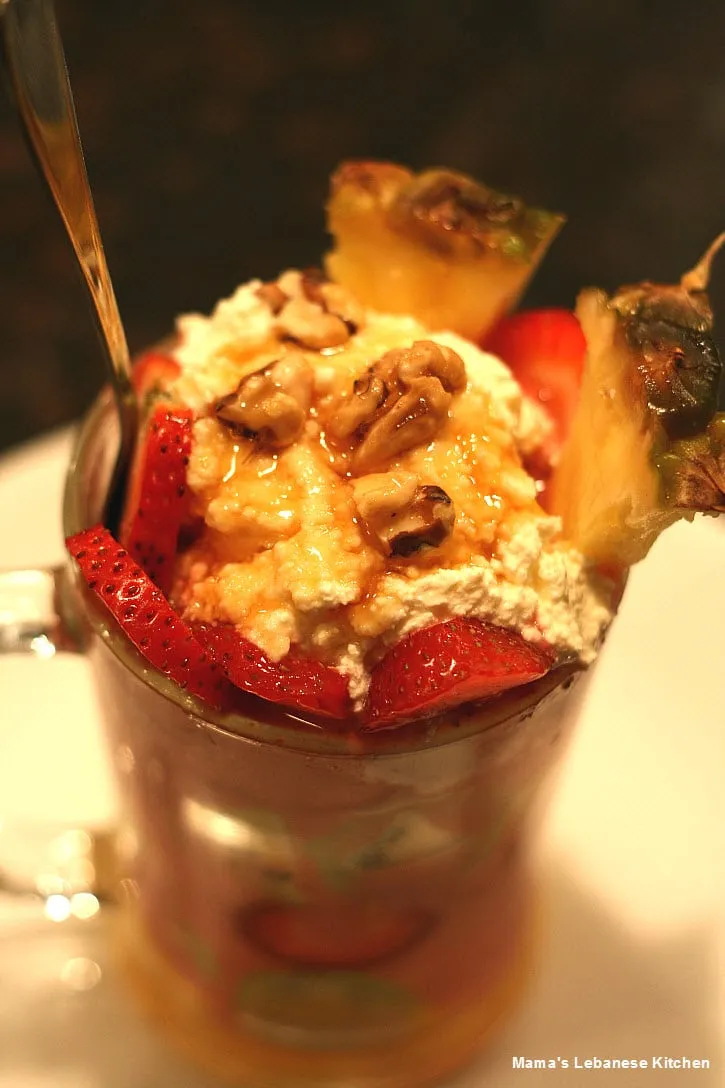
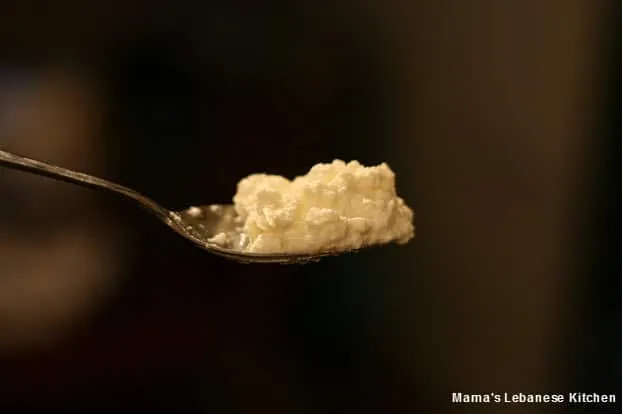
If you’re familiar with Arabic and Lebanese sweets, you would know that “Ashta” is a major ingredient and is considered as the king of fillers. Ashta is a slang word for “Kashta” in classical Arabic, which refers to clotted cream prepared with rose water and orange blossom water. Ashta is used as a filler in desserts such as Knefeh (kunafa), Znood el Sit, Atayif (Katayif) and in many others Ashta Lebanese Desserts. It is also served on top of fruit cocktails. So, here we are with the Original Lebanese Ashta Recipe – A clotted Cream With Rose Water.
Original Lebanese Ashta Recipe vs Modern Lebanese Ashta Recipe
There is more than one method to make Ashta. In modern times, chefs hacked their way into a cheap shortcut whereby Ashta is made with boiled milk, corn flour and bread. This is not bad, and it’s cheap to make. However compared to the original recipe it doesn’t stand grounds.
The original Lebanese Ashta recipe is prepared purely with milk (preferably raw), and is, therefore, more expensive to make. The reason is that depending on how fatty the milk is, you may get just one tablespoon of Ashta for each cup of milk. Whereby in the “hacked” method you get almost one cup of Ashta for one cup of milk.
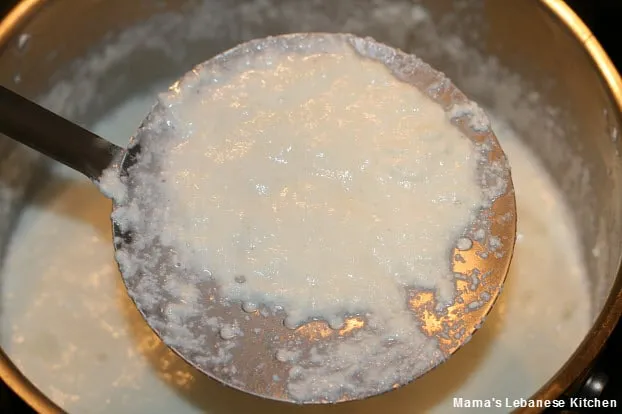
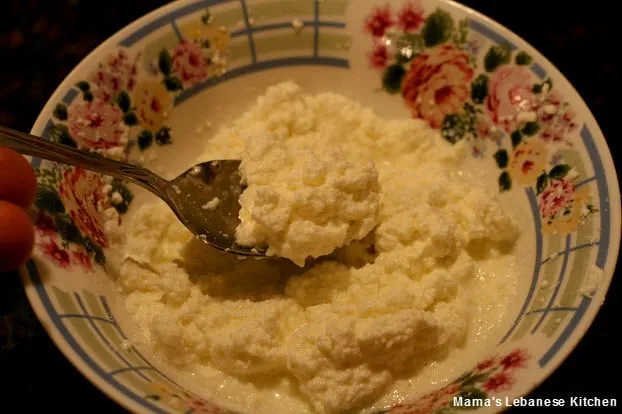
The original Ashta method is quite simple to make though. Using raw milk, or supermarket whole milk mixed with half and half (milk and cream), bring them to a boil while stirring, lower the heat, squeeze a few drops of lemon juice. As soon as the milk starts to clot, add the rose water and orange blossom water, and start scooping out the Ashta/clotted cream from the surface into a separate strainer… That’s it.
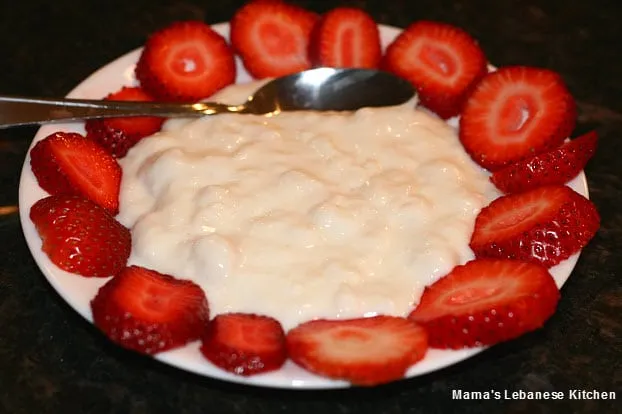
Once the Ashta cools down, you can use it as filler in Arabic sweets, or you can serve it with fruit cocktails garnished with honey and nuts.
FAQs
What is Lebanese Ashta made from?
Ashta is a popular Arabic ingredients that is very popular in the Middle East. It comes under several names, qishta, kashta, ghista, and ashta. This is Middle East clotted cream is made of coagulated milk and rose water.
What is the recipe of Asta?
Original Lebanese Recipe of Ashta or clotted cream with rose water is mentioned in the following lines.
Original Lebanese Ashta Recipe
Ingredients
Instructions
- In a saucepan, bring the milk and half-and-half to a boil on medium heat all while continuously stirring. If you choose to add a pinch of sugar (optional) you can add it initially to the milk..
- Add the lemon juice and see the milk immediately starting to clot.
- Add the rose water and orange blossom water, stirr well.
- Using a spatula with wholes, or a strainer, start collecting the clotted cream from the surface and place them into a separate strainer. Continue collection process until milk in saucepan turns into a near clear color. You may need to add a few more drops of lemon juice to induce more clotting, but don't add too much.
- When the collected Ashta cools down to room temperature, you can use it as a filler in Arabic sweets, or you can serve it with fruit cocktails garnished with honey and walnuts.
- Serve fresh at room temperature or serve cold.
Ashta requires refrigeration so it doesn't spoil. It can last 2-3 days in the fridge.